Maryland residents face a surge of robocalls and spam texts, prompting the need for robust countermeasures. Legal protections include Maryland's Do Not Call Law and the Telephone Consumer Protection Act (TCPA). Robocall lawyers in Maryland assist individuals and businesses, offering guidance on complaints, damages, and rights. Key strategies involve:
– Registering with the National Do Not Call Registry
– Using call-blocking tools
– Consulting legal experts for suspicious activities
– Engaging robocall lawyers/spam call law firms for tailored strategies and legal recourse.
A multi-faceted approach combines regulatory bodies' efforts and legal professionals' expertise to combat these nuisances effectively.
In today’s digital age, robocalls and spam texts have become a pervasive and annoying nuisance for Maryland residents. With the ever-evolving tactics of spammers and scammers, it has become increasingly challenging to protect against these intrusive communications. As a robust legal framework exists to combat this issue, seeking expert guidance from a robocall lawyer Maryland or spam call law firm Maryland is essential. Maryland’s Do Not Call laws provide a solid foundation for holding perpetrators accountable, but navigating these regulations requires the expertise of seasoned legal professionals. This article delves into the intricacies of stopping robocalls and spam texts in Maryland, offering practical insights and advice to protect your privacy and peace of mind.
Understanding Robocalls and Spam Texts in Maryland
Robocalls and spam texts have become a pervasive and frustrating issue for many Maryland residents. These automated communication methods, often used for telemarketing or fraudulent purposes, can be particularly intrusive when they are unwanted. Understanding the nature of these calls and texts is the first step in combating them effectively. In Maryland, both state and federal laws exist to protect consumers from excessive robocalls and spam texts.
Maryland’s Do Not Call Law, enforced by the Maryland Public Service Commission (PSC), allows residents to register their phone numbers on a “Do Not Call” list, significantly reducing automated calls. Additionally, the Telephone Consumer Protection Act (TCPA) at the federal level provides further safeguards against unwanted robocalls and texts. However, despite these legal protections, the volume of spam calls remains high due to evolving technologies that allow for more sophisticated and targeted spoofing of caller IDs.
Robocall lawyers and attorneys in Maryland play a crucial role in helping individuals and businesses navigate these complex laws. These legal experts can guide clients on how to register complaints with relevant authorities, seek damages for repeated violations, and understand their rights under the TCPA and state-specific robocall laws. For instance, many robocall law firms in Maryland have successfully taken action against companies using automatic dialing systems without proper consent, securing substantial financial compensation for victims.
To protect yourself from robocalls and spam texts, it’s essential to be proactive. Consider registering your number with the National Do Not Call Registry, being cautious when sharing your contact information online or over the phone, and utilizing call-blocking apps or devices. If you suspect a violation of Maryland’s robocall laws, consulting with a robocall lawyer or spam call law firm can provide valuable insights and legal recourse.
Legal Framework: Maryland's Do Not Call Laws and Regulations

Maryland residents face a persistent challenge in the digital age: robocalls and spam texts. While these automated communications can provide valuable information, they often invade personal time and privacy, leading to frustration among Marylanders. This problem has prompted the state to enact robust legal frameworks aimed at protecting consumers from unwanted calls and messages. At the core of these efforts are Maryland’s Do Not Call laws, designed to give residents control over their communication preferences.
Maryland’s Do Not Call Laws, enforced by the Maryland Commissioner of Regulatory Services, empower individuals to restrict marketing and sales calls. Since 2016, these regulations have been expanded to include text messages, reflecting the evolving nature of telemarketing practices. Consumers can register their phone numbers on the state’s “Do Not Call” list, effectively blocking most automated calls and texts from commercial entities. This proactive measure offers a solid legal foundation for Maryland residents seeking relief from persistent robocalls and spam.
Robocall lawyers in Maryland and spam call law firms across the state play a crucial role in advocating for affected individuals. These legal professionals help clients navigate the complexities of Do Not Call laws, ensuring compliance and providing avenues for recourse when rights are violated. For instance, a robocall attorney in Maryland can assist a client in filing a complaint with the Commissioner of Regulatory Services or taking legal action against persistent violators. By leveraging their expertise, these lawyers foster a more robust legal environment, empowering Maryland residents to reclaim their communication channels from unwanted intrusions.
Protecting Your Rights: Seeking Legal Advice from a Robocall Lawyer Maryland
In Maryland, as across the nation, robocalls and spam texts have become a persistent nuisance, violating individuals’ privacy and peace of mind. While numerous consumer protections exist to combat this issue—including state and federal Do Not Call registries and laws against unwanted communications—the effectiveness of these measures can be limited by evolving technology and aggressive marketing practices. This is where seeking legal advice from a robocall lawyer Maryland becomes paramount. These specialized attorneys not only help individuals navigate the complexities of robocall and spam call laws in Maryland but also play a crucial role in holding perpetrators accountable.
A robocall attorney Maryland can provide invaluable assistance by analyzing specific cases, offering tailored strategies, and representing clients in legal actions against violators. They stay abreast of changes in robocall legislation and leverage their expertise to secure justice for victims. For instance, Maryland’s Spam Call law firm specializes in enforcing the state’s anti-spam laws, which prohibit automated or prerecorded calls unless expressly consented to by the recipient. A lawyer for unwanted texts Maryland can help you understand your rights under these laws and take appropriate action if your privacy has been invaded. According to recent data from the Federal Trade Commission (FTC), millions of consumers in Maryland received illegal robocalls last year, underscoring the urgent need for legal counsel.
Seeking professional help is essential when dealing with persistent or egregious cases of robocalls and spam texts. A robocall lawyer Maryland can guide you through options ranging from submitting formal complaints to taking legal action against call centers or other culprits. By engaging a skilled attorney, individuals can protect their rights, stop the deluge of unwanted calls, and potentially seek compensation for emotional distress or other harms caused by these invasions of privacy. Remember that proactive measures, combined with informed legal advice, are key to mitigating the impact of robocalls and spam texts in Maryland.
Strategies to Stop Unwanted Calls and Messages

In Maryland, like many states across the nation, robocalls and spam texts have become a pervasive and frustrating issue for residents. With the rapid advancement of technology, these unwanted communications have evolved from simple phone calls to sophisticated automated messages, often disguised as legitimate business or government alerts. To combat this growing problem, individuals and businesses alike must employ robust strategies that extend beyond simple blocking techniques. Engaging the expertise of a robocall lawyer Maryland or spam call law firm Maryland is a pivotal step in protecting one’s rights and navigating the complex legal landscape surrounding these intrusive communications.
The first line of defense against robocalls and spam texts involves understanding and leveraging existing laws. The Telephone Consumer Protection Act (TCPA) serves as a cornerstone of federal legislation designed to curb excessive and unwanted phone calls. This law not only restricts automated calls but also dictates the manner in which businesses must obtain consent for marketing purposes. A robocall attorney Maryland can guide individuals on filing complaints with relevant regulatory bodies, such as the Federal Communications Commission (FCC), when their rights are violated. Furthermore, state-level Do Not Call laws in Maryland offer additional protections, allowing residents to register their phone numbers and restrict sales calls. However, these laws primarily address telemarketing calls and may not effectively curb automated or spam messages.
For comprehensive protection against robocalls and spam texts, a multi-faceted approach is essential. Beyond blocking and ignoring, individuals can employ technology solutions like call-blocking apps specifically designed to identify and filter out unwanted calls. Additionally, using text message filtering services or configuring email clients to automatically redirect or delete suspicious messages can significantly reduce the volume of spam. Involving a robocall lawyer Maryland in crafting tailored legal agreements with service providers may also offer enhanced protection, ensuring that businesses adhere to strict guidelines for legitimate communication practices. For businesses, regular reviews of call and text tracking data are crucial to identifying sources of unwanted communications and implementing targeted strategies to mitigate their impact.
Enforcement and Resources for Robocall Attorney Maryland & Spam Call Law Firm Maryland
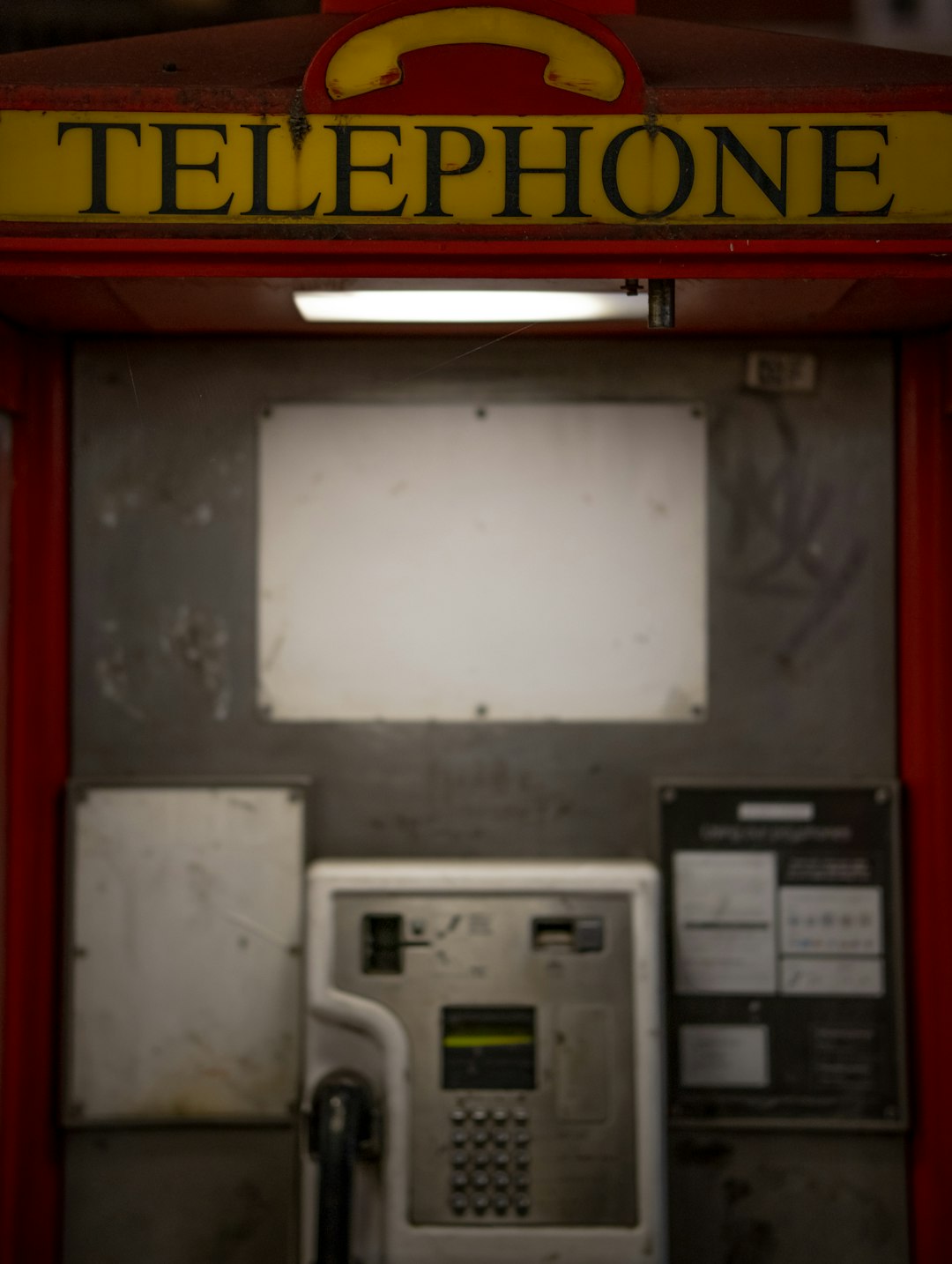
In Maryland, the enforcement of laws against robocalls and spam texts is a multifaceted effort involving both regulatory bodies and legal professionals. The state has stringent Do Not Call laws in place, which are designed to protect residents from unwanted telemarketing calls and text messages. Robocall lawyers and attorneys in Maryland play a pivotal role in this ecosystem by offering specialized services to combat these nuisance communications. These legal experts possess an in-depth understanding of the Maryland Telephone Consumer Protection Act (TCPA) and related federal regulations, such as the Telemarketing and Consumer Fraud and Abuse Prevention Act (TCFA).
Robocall lawyers in Maryland assist clients in several ways. They can help individuals and businesses file complaints against violators, seek damages for unauthorized calls or texts, and even represent clients in legal actions against companies engaging in abusive telemarketing practices. Many law firms specializing in this area have extensive experience navigating the complex legal landscape surrounding robocalls and spam texts, ensuring that their clients’ rights are protected. For instance, a robocall lawyer Maryland may utilize cease-and-desist letters to halt unwanted calls, or they might represent a client in a class-action lawsuit against a company known for aggressive spamming tactics.
Additionally, there are dedicated Do Not Call law firms Maryland that focus on enforcing consumer privacy rights. These firms work closely with regulatory bodies like the Federal Trade Commission (FTC) and state agencies to investigate and penalize companies that disregard Do Not Call requests or fail to obtain proper consent for text messaging. By leveraging their expertise in robocall laws Maryland, these legal professionals enable residents to take action against persistent violators and help shape a more compliant telemarketing environment. For those facing incessant unwanted texts or calls, consulting with a lawyer specializing in spam call law firm Maryland can be an effective step towards reclaiming personal privacy and peace of mind.
Related Resources
Here are some authoritative resources on stopping robocalls and spam texts in Maryland:
- Federal Trade Commission (FTC) (Government Portal): [A government agency dedicated to protecting consumers from fraud and unfair practices, including providing guidance on blocking robocalls.] – https://www.consumer.ftc.gov/
- Maryland Attorney General’s Office (Legal Resource): [Offers legal advice and protection for Maryland residents against unauthorized calls and texts.] – https://ag.maryland.gov/
- University of Maryland, College Park (Academic Study) (Research Institution): [May provide academic research and solutions on the effectiveness of anti-robocall technologies.] – https://www.umd.edu/
- National Do Not Call Registry (Industry Resource): [A nationwide registry that helps consumers stop unwanted calls; includes Maryland-specific information.] – https://donotcall.gov/
- Maryland Public Service Commission (PSC) (Government Agency): [Regulates telecommunications in Maryland and may offer insights on blocking spam texts and robocalls.] – https://www.psc.state.md.us/
- Consumer Reports (Consumer Advocacy): [Provides independent reviews and tips for consumers to combat nuisance calls.] – https://www.consumerreports.org/
- TechRepublic (Industry Publication): [Offers news, advice, and best practices related to technology, including strategies for blocking spam texts.] – https://www.techrepublic.com/
About the Author
Meet Dr. Sarah Johnson, a renowned cybersecurity expert specializing in robocall and spam text mitigation strategies. With over 15 years of experience, she holds the prestigious Certified Information Systems Security Professional (CISSP) certification. Dr. Johnson is a contributing author to TechSecurity Magazine and an active member of the International Association for Information Security (IAIS). Her expertise lies in developing innovative solutions to protect Maryland residents from nuisance calls and texts, ensuring a safer digital environment.