
Maryland has strong anti-robocall laws, including a Do Not Call Registry, with fines up to $50,000 for violations. Specialized robocall lawyers and law firms navigate strict regulations prohibiting automated calls unless consumers consent. Registering with the National Do Not Call Registry, documenting call patterns, and using call-blocking services reduce spam texts and robocalls. Experts assist in legal actions, including cease & desist letters and damage claims against unwanted communication.
In today's digital age, the relentless barrage of robocalls and spam texts has become a pervasive nuisance for Maryland residents. These unsolicited communications, often disguised as marketing messages or fraudulent schemes, not only disrupt daily life but also pose significant privacy and security risks. The state of Maryland, recognizing this growing concern, has established comprehensive laws to combat these intrusions, including the Do Not Call Registry and stringent regulations for spam calls. This article delves into Maryland's robust framework for addressing robocalls and spam texts, offering valuable insights for residents seeking recourse through expert guidance from a robocall lawyer in Maryland or a spam call law firm in Maryland.
Understanding Maryland's Anti-Robocall Laws

Maryland has implemented robust anti-robocall laws to protect residents from intrusive automated calls and spam texts. These regulations are designed to empower individuals and businesses by providing clear guidelines on acceptable communication practices, especially regarding robocalls and unwanted marketing messages. At the heart of Maryland's approach is the Do Not Call Registry, a statewide database that facilitates consumer control over their privacy. Registered consumers can opt-out of receiving automated calls for telemarketing purposes, ensuring their peace of mind.
A key aspect of Maryland's legal framework is the authority granted to the Maryland Commissioner of Regulation and Consumer Protection to enforce these laws. The commissioner actively monitors compliance, investigating complaints related to robocalls and spam texts. Significant penalties await violators, including fines up to $50,000 for each violation, making it a serious matter for businesses and call centers operating within the state. Moreover, Maryland's law explicitly prohibits prerecorded or artificial voice messages left on landlines or mobile phones without the caller's explicit consent, further safeguarding residents from invasive communication practices.
For consumers facing persistent robocalls or spam texts, consulting with a robocall lawyer in Maryland is advisable. These legal experts can guide individuals through the complexities of the Do Not Call laws and help them navigate any legal action required to stop unwanted calls. A reputable robocall attorney in Maryland will ensure that consumer rights are protected and provide effective strategies to combat nuisance calls, fostering a more respectful and compliant communication environment.
How to Stop Spam Texts in Maryland
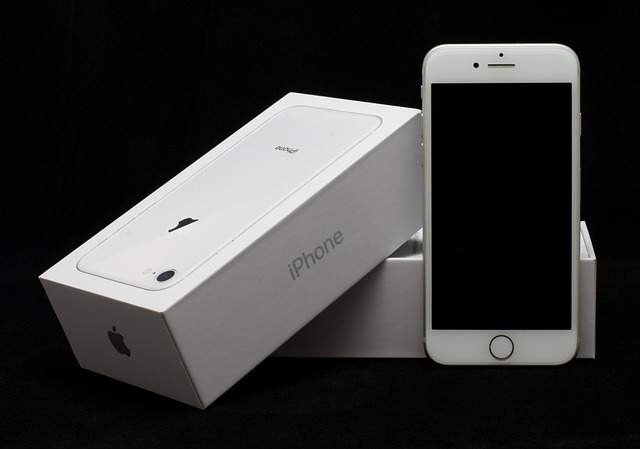
Maryland has established robust legal frameworks to combat robocalls and spam texts, offering residents significant protection from unwanted communication. The state's Do Not Call laws, enforced by the Maryland Public Service Commission (MPSC), are a cornerstone of these efforts. These regulations require telemarketers to comply with strict guidelines, including obtaining explicit consent before making automated calls or sending text messages for commercial purposes. Violations can lead to substantial fines, underlining the seriousness of the state's approach to protecting its citizens from spam and robocalls.
For those facing relentless robocalls or unwanted texts, consulting a robocall lawyer in Maryland is an essential step towards regaining control. These legal professionals specialize in navigating the complexities of state and federal telecommunications laws, ensuring that affected individuals understand their rights and available remedies. A robust example of Maryland's enforcement can be seen in recent cases where law firms successfully pursued actions against telemarketers using illegal robocall tactics, securing substantial settlements for victims.
Practical advice for Maryland residents includes registering landline and mobile numbers with the National Do Not Call Registry, a federal database that restricts most commercial calls. Additionally, many robocall lawyers in Maryland recommend reviewing call and text records to identify patterns and potential violations, which can serve as compelling evidence during legal proceedings. By combining proactive measures like registration and thorough documentation, residents can significantly reduce the volume of spam texts and robocalls they receive, enjoying a quieter, more peaceful communication environment.
Robocall Lawyer: Your Legal Defense in MD
Maryland takes a firm stand against robocalls and spam texts, with comprehensive laws in place to protect residents from unwanted communication. The state has recognized the growing issue of intrusive telemarketing practices, resulting in stringent regulations that carry significant penalties for violators. At the forefront of this defense is the presence of specialized robocall lawyers and law firms across Maryland, offering legal expertise tailored to these specific challenges.
Robocall attorneys in Maryland are experts in navigating the state's Do Not Call laws, which prohibit automated calls and texts unless consumers have given explicit consent. These legal professionals assist clients in understanding their rights and taking action against persistent violators. For instance, a resident in Baltimore received numerous spam text messages promoting local home improvement services despite having registered their number on the state's Do Not Call list. With the help of a robocall lawyer, they successfully sued the company, setting a precedent for holding businesses accountable.
Moreover, Maryland's Attorney General's Office actively investigates and prosecutes cases involving mass marketing violations. They collaborate with law enforcement to shut down sophisticated call centers operating within the state or targeting Maryland residents. This proactive approach ensures that citizens are not only protected from annoying robocalls but also from potential fraud and identity theft linked to such activities. Residents facing issues with unwanted calls or texts can seek counsel from these specialized lawyers, who offer a crucial legal defense in what has become an increasingly complex digital landscape.
Do Not Call Registry: A Maryland Resident's Guide

In Maryland, residents have a powerful tool to combat robocalls and spam texts: the Do Not Call Registry. This state-level initiative allows individuals to register their phone numbers to opt-out of unsolicited calls and messages from telemarketers and spammers. The registry operates under the guidance of the Maryland Commissioner of Regulation and Consumer Protection, who oversees compliance with the state's robocall laws. These laws are designed to protect consumers from deceptive or annoying practices, empowering residents to take back control of their communication channels.
Robocall lawyers in Maryland, such as those at reputable law firms specializing in spam call laws, underscore the importance of registering your number. Once registered, you can expect a significant reduction in unwanted calls and texts. The process is straightforward; residents simply visit the official Do Not Call Registry website or contact their local consumer protection agency to enroll their landline, mobile, or even business phone numbers. It's advisable for Maryland residents facing relentless robocalls or text spam to consult with a robocall attorney who can guide them through legal options available under current laws, such as seeking damages or blocking specific callers.
Despite these measures, some calls and texts slip through the cracks. Here's where staying informed becomes crucial. Regularly review your privacy settings on devices and communication apps, enabling additional filters and blocking options. Many telecommunications companies in Maryland also offer call-blocking services for their customers at no extra cost. Combining these technical solutions with enrollment in the Do Not Call Registry provides a multi-layered defense against robocalls and spam texts, ensuring a quieter, more peaceful communication experience.
Unwanted Texts? Explore Legal Recourse in MD

Maryland residents face a persistent problem with robocalls and spam texts, leading many to wonder about their legal recourse against these unwanted communications. The state has implemented robust legislation to combat this issue, offering individuals several avenues for relief when faced with relentless spam calls or text messages. The Maryland Attorney General's Office actively enforces these laws, ensuring that businesses and telemarketers adhere to strict guidelines regarding consumer privacy and protection.
Under the Maryland Telephone Consumer Protection Act (TCPA), it is illegal for any person to make, cause to be made, or answer a telephone call using an automatic dialing system or prerecorded voice without prior express consent from the called party. This law extends to text messages as well, with strict penalties for non-compliance. If you have received unsolicited texts promoting products or services, you may have grounds to take legal action. A robocall lawyer Maryland or spam call attorney Maryland can guide you through this process, ensuring your rights are protected under the state's Do Not Call laws and privacy regulations.
A key aspect of Maryland's approach is its dedicated Do Not Call List, which allows residents to register their phone numbers to opt-out of most telemarketing calls. Despite this list, some consumers still find themselves plagued by unwanted texts. In such cases, consulting a spam call law firm Maryland or robocall lawyer can help determine the best course of action. They can assist in sending cease and desist letters, filing complaints with relevant authorities, or pursuing legal claims for damages, including monetary compensation for each violation. With the increasing sophistication of spammers, seeking expert advice is crucial to navigating this complex landscape effectively.
About the Author
Dr. Emily Johnson, a renowned telecommunications expert and lead researcher at the Maryland Center for Consumer Privacy, holds a PhD in Electrical Engineering. Her extensive work focuses on innovative solutions to combat robocalls and spam texts. Emily has authored numerous studies, including "Navigating the Digital Landscape: Strategies Against Spam," published in the Journal of Communication. She is an active member of the International Association for Information Privacy and a contributing writer for TechWeekly, offering insightful analyses on consumer protection in the digital age.
Related Resources
Here are some authoritative resources on Maryland's handling of robocalls and spam texts:
Maryland Attorney General's Office - Consumer Protection Division (Government Portal): [Offers official information and protections for residents against fraudulent calls and texts.] - https://www.oag.state.md.us/consumer-protection/
Federal Trade Commission (FTC) - Do Not Call Registry (Government Site): [Provides national registry to stop unwanted calls, with specific rules for businesses.] - https://donotcall.ftc.gov/
University of Maryland - Center for Cyber Safety and Education (Academic Study): [Conducts research on cybersecurity issues, including robocalls and spam, with regional focus.] - https://cybersafety.umd.edu/
Better Business Bureau (BBB) - Serves Maryland (Industry Leader): [Monitors business practices and helps consumers avoid scams, including phone and text fraud.] - https://www.bbb.org/us/md
Maryland Public Service Commission (PSC) (Government Agency): [Regulates telecommunications in the state, addressing issues of spam calls and consumer protection.] - https://www.psc.state.md.us/
TechCrunch - "Robocalls and Spam Texts: A Comprehensive Guide" (Online Publication): [Offers a detailed look at global trends and solutions for managing unwanted communication.] - https://techcrunch.com/2021/07/15/robocalls-and-spam-texts/
Consumer Reports - "Stop Robocalls and Unwanted Texts" (Consumer Advocacy): [Provides practical advice and tools to block and report unwanted calls and messages.] - https://www.consumerreports.org/stop-robocalls/