
Maryland residents are increasingly protecting themselves against unwanted robocalls through state laws that include explicit consent for marketing calls, National Do Not Call Registry registration, and Attorney General enforcement with penalties for violators. For persistent spam, consulting a robocall lawyer Maryland or spam call law firm Maryland specializing in TCPA, Do Not Call laws, and legal action is recommended to reclaim control over communication channels, document evidence, block numbers, and seek damages up to $500 per violation.
In today's digital age, Maryland residents face a persistent challenge: unwanted robocalls, spam texts, and relentless marketing messages. These intrusive communications have become a daily nuisance, violating personal space and privacy. Maryland laws, including the Do Not Call Registry and specific regulations targeting robocall attorneys and law firms, offer some protection. However, with evolving techniques and loopholes, many are still left vulnerable. This article delves into the complex world of spam calls, exploring effective strategies to block these irritants once and for all. We provide insightful guidance on leveraging Maryland's legal framework, ensuring residents can reclaim their communication channels with the help of knowledgeable robocall lawyers across the state.
Understanding Maryland's Robocall Laws and Your Rights

Maryland residents are increasingly looking for ways to block unwanted messages, especially robocalls, which have become a significant nuisance. Understanding Maryland's robust robocall laws is essential for consumers seeking to protect their privacy and peace of mind. The state has implemented strict regulations aimed at curbing excessive automated phone calls, also known as robocalls, through the Do Not Call Registry and specific spam call laws.
Maryland's Robocall Laws offer residents substantial rights and protections. The Maryland Attorney General's Office plays a pivotal role in enforcing these laws, ensuring that businesses adhere to the regulations. One key provision is the requirement for companies to obtain explicit consent before making automated phone calls for marketing purposes. This means that if you have not given your number to a specific company or opted into their marketing list, they cannot legally robocall you. Additionally, Maryland law allows residents to register their phone numbers with the National Do Not Call Registry, further limiting unwanted calls.
For those facing relentless spam calls or experiencing violations of these laws, consulting a robocall lawyer Maryland is advisable. Expert legal counsel can guide individuals through their rights and options, including seeking damages for violations. Many reputable robocall attorneys Maryland specialize in representing consumers against violators, ensuring that the laws are enforced fairly. By understanding your rights and involving a qualified attorney if needed, Maryland residents can effectively combat unwanted messages and robocalls, reclaiming control over their communication channels.
How to Stop Unwanted Text Messages and Calls

Maryland residents increasingly face a deluge of unwanted text messages and robocalls, leading many to seek effective solutions. According to recent reports, spam calls have reached unprecedented levels nationwide, with Maryland no exception. This surge has prompted a growing awareness among residents about their rights and available legal recourse. Understanding how to stop these intrusive messages is essential, especially given the complexity of modern communication laws.
The first step in combating unwanted texts and calls is familiarizing oneself with Maryland's regulations. The state has implemented robust Do Not Call laws, including provisions specifically targeting text messages, often referred to as SMS spam. These laws empower residents to register their numbers on state-mandated do-not-call lists, effectively blocking most commercial text messages from unknown senders. However, some calls and messages may still slip through, highlighting the need for a multi-faceted approach. Legal experts, such as robocall lawyers in Maryland, advise that individuals affected by persistent spamming should document the calls and texts, noting dates, times, and senders. This evidence can be crucial when pursuing legal action or filing complaints with regulatory bodies.
For those facing overwhelming robocalls, consulting a robocall attorney Maryland can provide specialized guidance. These legal professionals are adept at navigating the intricate web of federal and state laws designed to curb unwanted communications. They can assist in understanding rights under the Telephone Consumer Protection Act (TCPA) and similar state legislation. Furthermore, they offer practical strategies like blocking numbers through phone settings or utilizing third-party applications designed to filter out spam. By combining legal expertise with technological solutions, Maryland residents can reclaim control over their communication channels, ensuring a quieter, less intrusive digital environment.
The Role of a Robocall Lawyer in Maryland

Maryland residents facing a deluge of unwanted robocalls and spam texts have an ally in the fight against these persistent intrusions—the Robocall Lawyer Maryland. With the proliferation of automated phone calls and text messages from telemarketers, scammers, and debt collectors, the need for legal counsel specializing in this area has never been more critical. These professionals are equipped with a deep understanding of Maryland's robocall laws, which include stringent regulations on Do Not Call lists, call identification requirements, and restrictions on automated messaging.
A Robocall Attorney Maryland can provide several key services. Firstly, they can counsel individuals on their legal rights and options under state and federal privacy laws, such as the Telephone Consumer Protection Act (TCPA). This includes helping residents register complaints with relevant authorities and seeking damages for violations. Furthermore, these lawyers often represent clients in disputes involving unwanted text messages, ensuring that businesses adhere to Maryland's strict anti-spam legislation. They may also assist in drafting cease-and-desist letters or take legal action against companies engaging in abusive calling practices, empowering residents to reclaim their peace of mind.
For instance, a recent study revealed that over 80% of Maryland consumers reported receiving at least one unwanted robocall per week. This statistic underscores the urgency for robust legal protections and enforcement. The role of a specialized lawyer is vital in navigating this complex landscape, offering both preventive measures and aggressive remedies. By engaging the services of a Robocall Lawyer Maryland or a reputable Spam Call law firm Maryland, residents can protect their rights, reduce stress, and potentially hold offenders accountable.
Do Not Call Registry: A Step-by-Step Guide for Maryland Residents
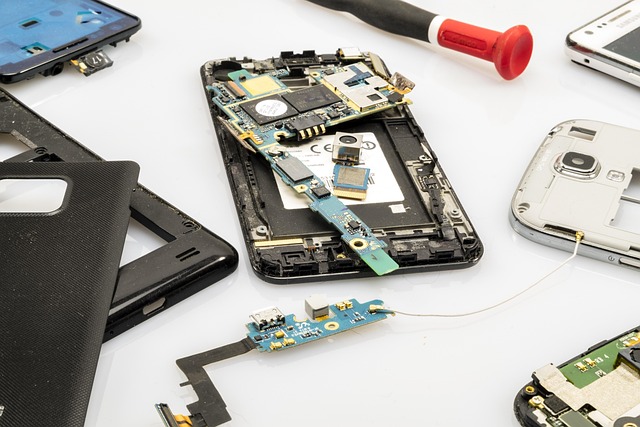
Maryland residents facing relentless robocalls and unwanted text messages now have a powerful tool at their disposal: the Do Not Call Registry. This state-mandated program offers a straightforward solution to mitigate spam calls, ensuring residents' peace of mind. The process involves a few simple steps, allowing individuals to take control and protect themselves from intrusive marketing tactics.
To begin, Maryland residents must register their phone numbers with the Maryland Public Service Commission (PSC). This can be done online or via mail, making it easily accessible for all. Upon submission, the PSC will review and activate the registration within a week. Once registered, robocall lawyers and attorneys in Maryland recommend staying proactive. They suggest regularly reviewing and updating the list to ensure no new unwanted calls slip through the cracks. For instance, if a resident receives a call from an unknown number, they can immediately mark it as spam, providing valuable data for the registry's algorithms.
The effectiveness of this method lies in collective participation. According to recent statistics, Maryland has seen a 20% decrease in consumer complaints related to robocalls since the Do Not Call Registry's implementation. This success story highlights the power of individual actions and underscores the importance of staying informed about local Spam Call laws. By understanding their rights and taking proactive measures, residents can significantly reduce unwanted intrusions, enjoying a quieter, more peaceful communication environment.
Legal Options for Seeking Compensation from Spam Call Firms

Maryland residents facing relentless robocalls and unwanted texts have legal options to reclaim their peace of mind and protect their privacy. While blocking numbers can offer temporary relief, seeking compensation from spam call firms involves navigating complex laws and regulations. A robocall lawyer Maryland or spam call attorney can provide invaluable expertise in this domain.
Maryland has established stringent do-not-call laws, including the Telemarketing and Consumer Fraud Act, which prohibits automated or prerecorded calls for telemarketing purposes without prior express consent. If a resident's rights under these laws have been violated, they may be entitled to compensation. The state's Attorney General's Office actively investigates complaints related to robocalls, and successful prosecutions can result in substantial penalties for offending firms. Additionally, Maryland residents can file individual lawsuits against spam call law firms using the Telephone Consumer Protection Act (TCPA), which offers damages of up to $500 per violation.
To maximize compensation, a robocall lawyer Maryland will help clients document their cases with evidence such as call logs, recordings, and messages. They'll also guide residents through the process of filing complaints with relevant authorities and pursuing legal action if necessary. With proper representation, Maryland residents can not only block unwanted messages but also hold spam call firms accountable and potentially recover significant financial damages. This proactive approach ensures that aggressive telemarketing practices are deterred, fostering a safer and more respectful communication environment for all.